Born in Texas USA in 1925, to christian fundamentalist parents, Robert Rauschenberg’s early aspirations concerning a career were pharmaceutical. He began his studies in this area at the University of Texas, before being drafted into the United Sates Navy in 1943. Rauschenberg worked as a mental hospital technician until his discharge in 1945. Upon his return Rauschenberg began his artistic studies at the Kansas City Art Institute and then the Academy Julian in Paris, where he met Susan Weil. His future wife, and mother to his only child. Rauschenberg and Weil both began studying at Black Mountain College near Asheville, North Carolina in 1948.
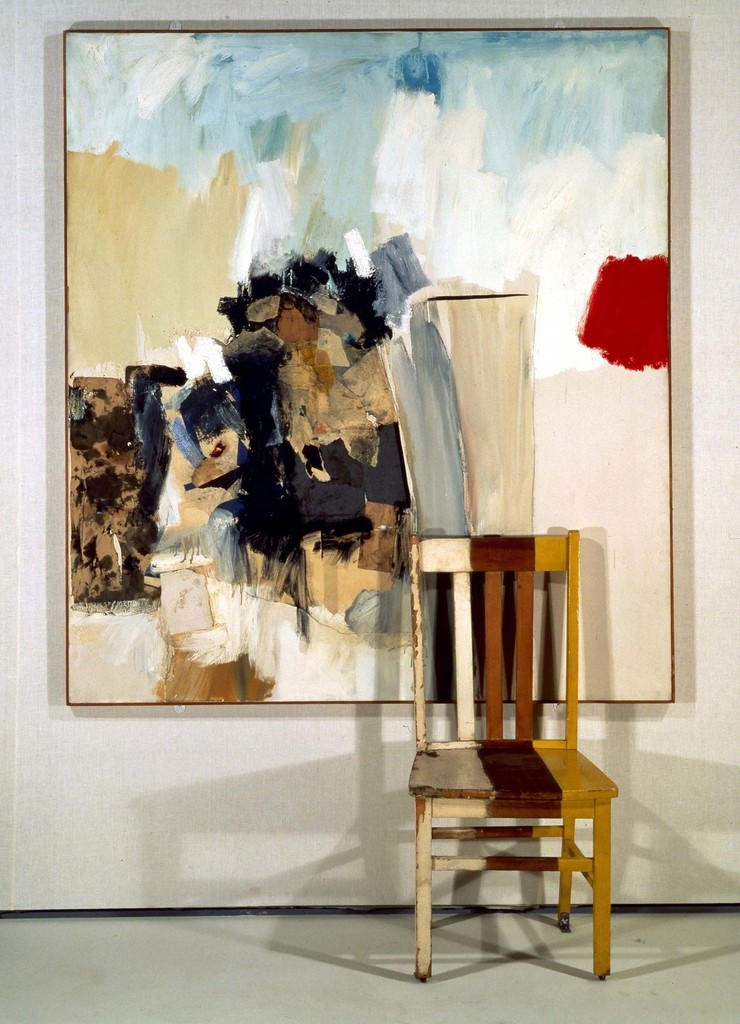
During his studies at Black Mountain College, Rauschenberg was taught under Joseph Albers (a founder of the Bauhaus). Rauschenberg quickly became Albers example for the class of what he was not talking about, his sloppiness and lack of discipline going against everything Joseph Albers was trying to instil in his pupils. Rauschenberg then found a tutor better suited to his practice in the musician/artist John Cage, who his working with inspired his now famous ‘combines’. He finally completed his studies in New York at the Art Students League of New York, along side artists Vaclav Vytlacil and Morris Kantor.
Most Famous for his fore-mentioned ‘Combines’, Rauschenberg practiced a wide array of mediums, finding ways to combine them to create his works. He was a sculptor, painter, printmaker, photographer, performer and everything in between. Quoted saying he strived to work “in the gap between art and life”, Rauschenberg often included inanimate objects into his art, exploring the realm between everyday objects and fine art.

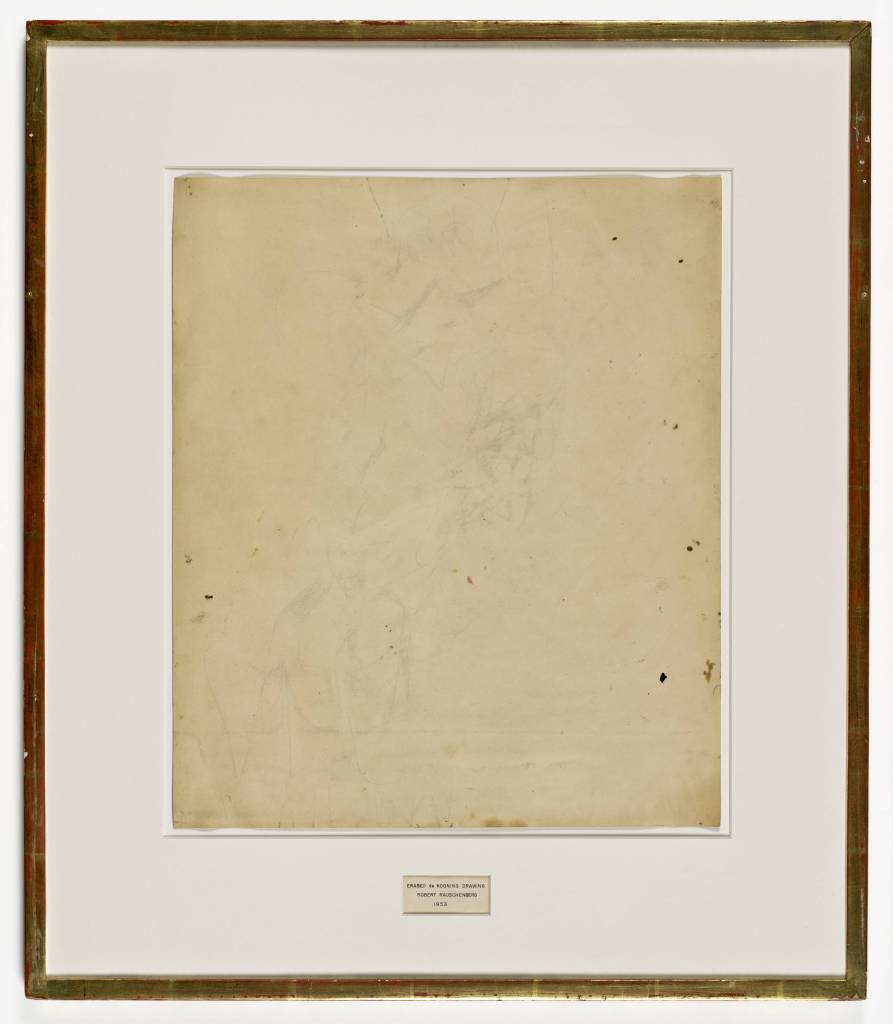
Rauschenberg explored the classic question, what is art? One of Rauschenberg’s works, that questioned the value of art, and its inherent meaning was ‘Erasergate’. A young Robert Rauschenberg, only one year after he had left art school, asked the famous Willem De Kooning if he could erase one of his drawings and present it as his own conceptual art work. Questioning just that, what makes something art? and what dictates its value?
The questions posed by Rauschenberg are what interest me about conceptual art. work that questions itself, is in my eyes more powerful. conceptual art can take itself too seriously, something I plan not to do. I hope to incorporate an element of self awareness and irony to my work, inspired by the artists such as Robert Rauschenberg and Marcel Duchamp.

 Daniel Scotland CAP